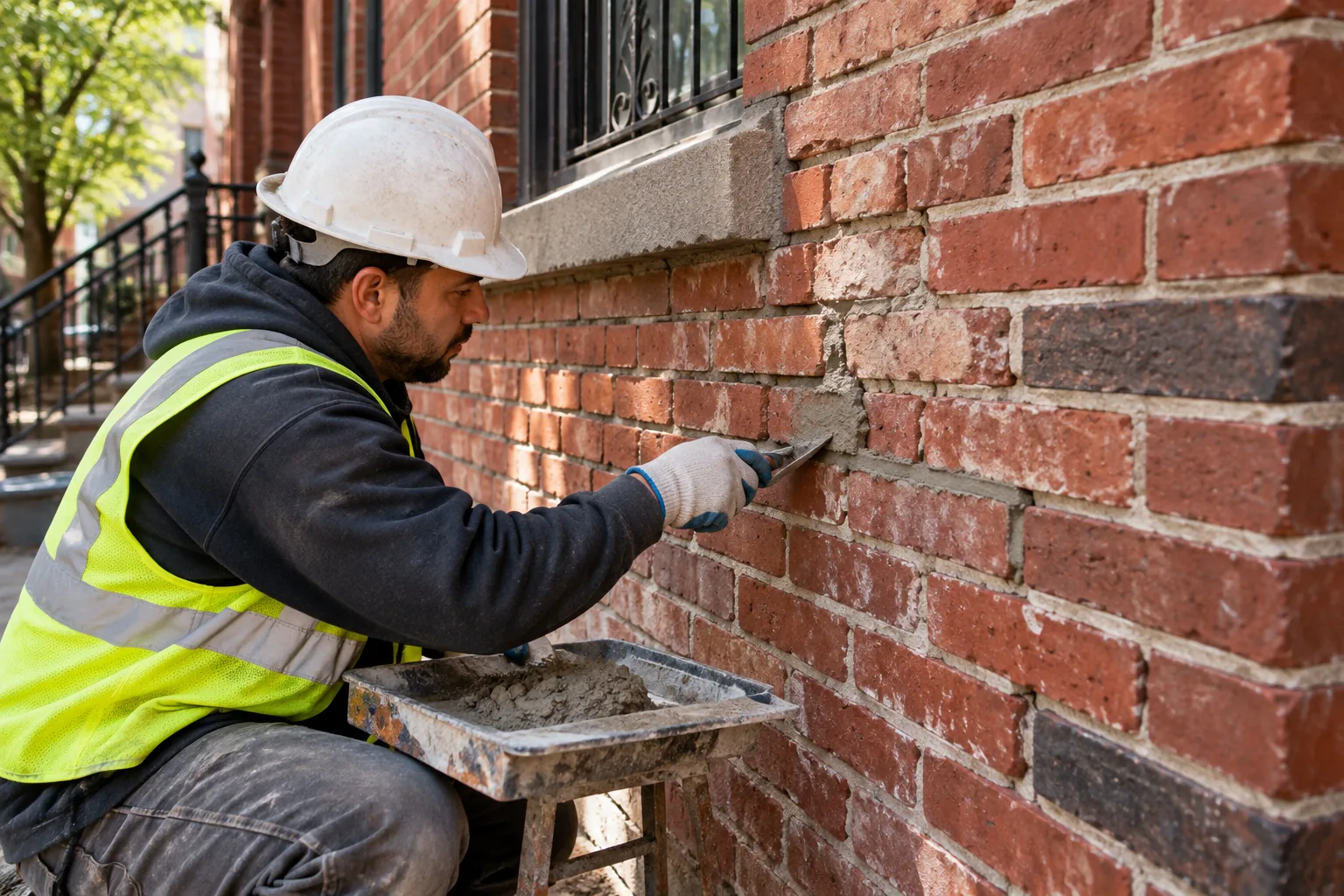
Brick walls can last for decades, but they still need attention. Weather, moisture, age, and building movement can slowly damage brick and mortar. At first, the warning signs may look small. You may notice one cracked brick, loose mortar, or a small gap in the wall.
These problems can seem minor, especially when the wall still looks strong from a distance. But brick damage rarely stays in one place.
Once water enters cracked bricks or open mortar joints, the wall can weaken faster than expected. A simple repair can turn into a larger masonry project if the damage spreads.
Knowing the early signs of brick damage helps protect your property. It also helps you avoid bigger repair costs later.
Quick Answer
You should schedule a masonry inspection if you see cracked bricks, loose mortar, water stains, bulging areas, or bricks shifting out of place. Small damage can often be repaired. However, wall movement or moisture damage may require more detailed masonry work before the problem spreads.
Cracked Bricks Are Not Always Cosmetic
A brick wall may show age over time. Still, you should not ignore cracks without checking the cause.
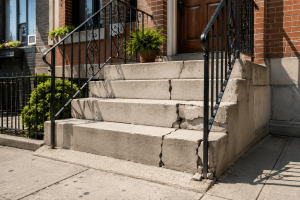
Some cracks only affect the surface. These can happen as a building settles or as brick ages. Other cracks show a deeper problem. They may point to pressure, movement, or moisture inside the wall.
Look closely at the damaged area. If several bricks crack in the same spot, the wall may be under stress. If cracks continue through the mortar joints, the issue may involve more than one brick.
The visible crack is often only the first sign. A professional inspection can show whether the wall needs simple brick repair or more masonry work.
Mortar Joints Often Wear Out Before Bricks
Many property owners notice broken bricks first. But mortar often fails before the bricks do.
Mortar holds the wall together. It also helps protect the spaces between bricks. Over time, rain, snow, sunlight, and temperature changes can wear it down.
When mortar begins to crumble, gaps form between the bricks. These gaps allow water to enter the wall. Once moisture gets inside, it can loosen bricks and weaken nearby masonry.
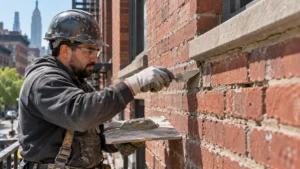
Loose or missing mortar is one of the clearest signs that your wall needs attention. In many cases, brick pointing can restore the joints before the damage spreads.
A Wall That Starts Moving Needs Fast Attention
Brick walls should stay straight and stable. If part of the wall begins to lean, bulge, or pull away, you should not wait.
Wall movement can happen for several reasons. Moisture may weaken the masonry. Mortar may break down. The foundation may settle. Pressure may also build inside the wall over time.
Even small movement can become serious. Walls do not usually correct themselves once they start shifting.
If you see a bulging area or bricks moving out of place, schedule an inspection. Fast action can help prevent a larger repair.
Water Is Often the Real Problem
Many brick repair problems begin with water.
Rainwater can enter small cracks and open mortar joints. Once inside, it slowly weakens the wall. During cold weather, trapped water can freeze and expand. This puts extra pressure on the bricks and mortar.
After repeated freeze-thaw cycles, bricks may crack, flake, or separate from the wall. Mortar may also crumble faster.
Many property owners notice the damaged brick first. But water may have been causing damage behind the surface for months or years.
That is why proper brick repair should do more than fix what you can see. It should also address the moisture problem that caused the damage.
What Property Owners Often Miss
It is easy to focus on one damaged brick. But one damaged brick may not tell the full story.
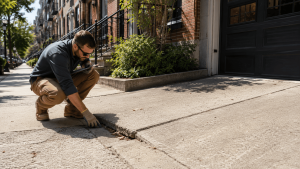
A masonry contractor looks at the whole wall. They check nearby mortar joints. They look for loose bricks, water entry points, cracks, stains, and signs of movement.
This wider inspection matters. It helps identify problems before they spread.
A single loose brick may be one symptom of a larger masonry issue. Repairing only the visible damage may not solve the real problem.
Repair or Rebuild: How the Decision Is Made
A damaged brick wall does not always need a full rebuild.
If the damage stays in one small area, brick repair may be enough. A contractor may replace damaged bricks, repoint loose mortar, and restore the wall’s strength.
A larger repair may be needed when the wall has shifted. Widespread moisture damage may also require more work. If the wall has structural movement, the repair plan must address stability first.
The right solution depends on the full condition of the wall. It should not be based on one cracked brick alone.
A proper inspection helps determine whether your wall needs brick repair, brick replacement, repointing, or more complete masonry restoration.
Common Brick Repair Mistakes to Avoid
One common mistake is replacing only the cracked brick. If the mortar around it still fails, water can enter again. New damage may appear soon after.
Another mistake is painting or sealing damaged brick before fixing the cause. This can make the wall look better for a short time. But trapped moisture can continue damaging the brick behind the surface.
Some property owners also wait too long. They only call for help after bricks become loose or start falling out. By that point, the repair may cost more and take longer.
Fixing small brick and mortar problems early is usually the better choice.
Why Brick Walls Need Extra Attention in NYC
Brick buildings in NYC face tough conditions year after year. Rain, snow, freezing temperatures, air pollution, and aging construction all affect masonry.
Many NYC properties also have older brickwork. Some walls have stood for generations. These walls need regular care to stay strong and safe.
Mortar joints can weaken over time. Bricks can crack from moisture and temperature changes. Walls can also shift as buildings age.
Early brick repair helps preserve the appearance of your property. It also helps protect the wall from long-term damage.
When to Schedule a Brick Wall Inspection
Schedule an inspection if you notice any of these signs:
Cracked bricks
Loose or missing mortar
Water stains
Bulging or leaning areas
Bricks shifting out of place
Flaking or crumbling brick surfaces
Gaps between bricks
Repeated moisture problems
You do not need to wait until the wall becomes unsafe. Early inspection can help keep the repair focused and manageable.
Need Brick Repair in NYC?
If your brick wall has cracked bricks, loose mortar, water stains, or signs of movement, NY Concrete can help.
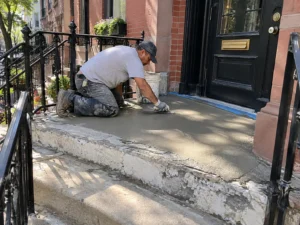
Our team inspects the masonry, finds the source of the problem, and recommends the right repair. We handle brick repair, brick replacement, mortar repointing, and masonry restoration for NYC properties.
Call NY Concrete today to schedule a free estimate and fix your brick wall before the damage spreads.