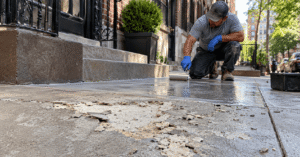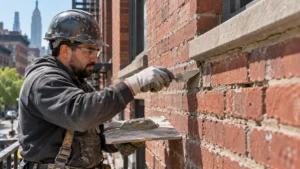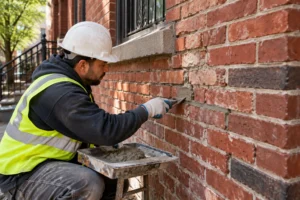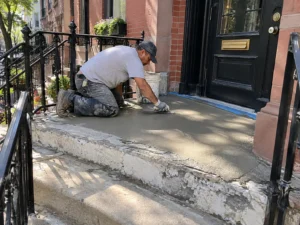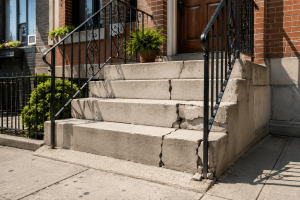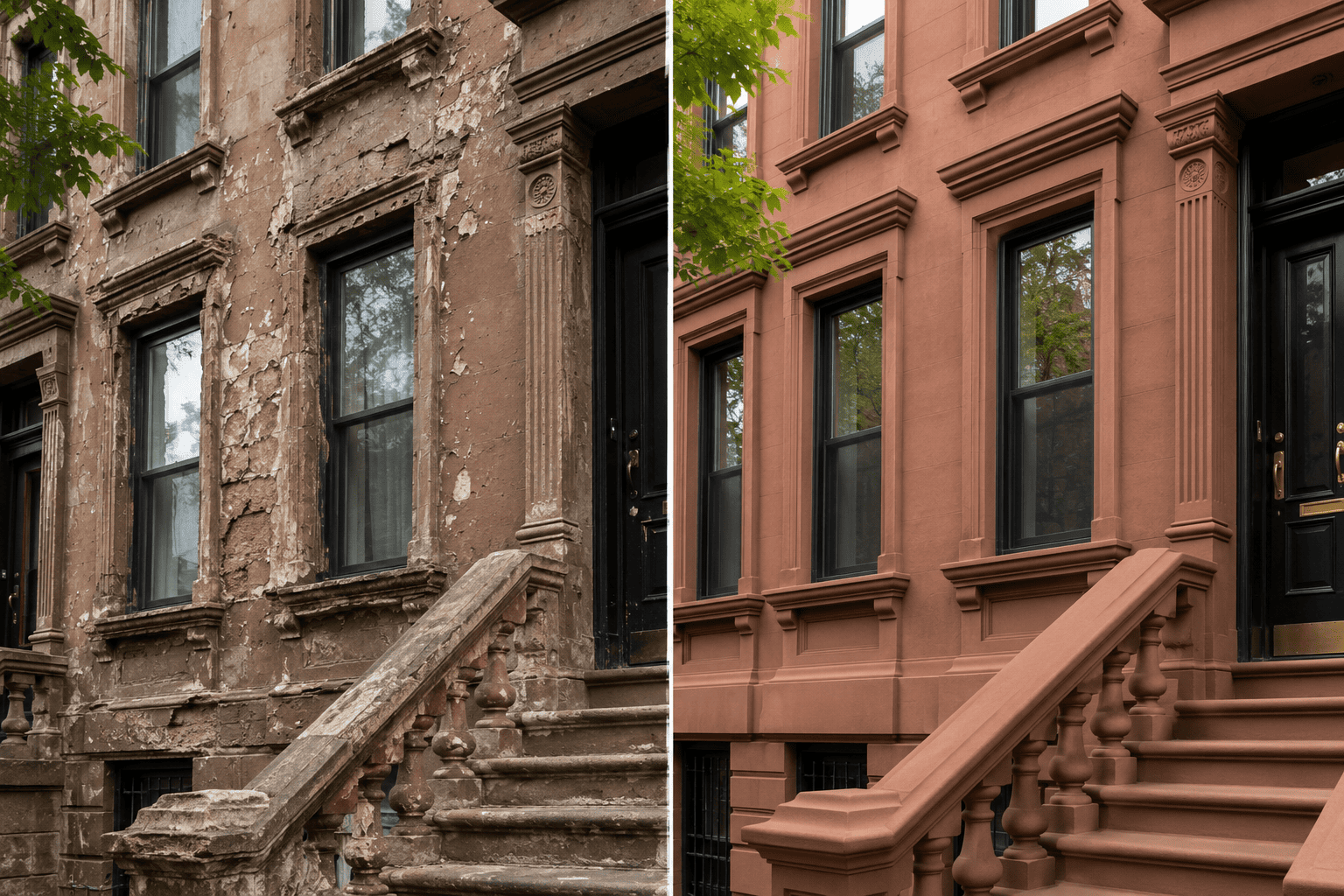
Brownstone restoration NYC projects often begin when a facade starts to peel, crack, feel hollow, or lose its original detail. In many older New York City buildings, those visible surface problems usually point to moisture damage that has been building for years. Understanding brownstone restoration NYC work is important because the right repair does more than improve appearance, it helps restore the facade properly and protect it long term. Brownstone restoration NYC projects often begin when peeling, cracking, or hollow spots start showing on an older facade.
It often starts small. A patch near a window looks rough. A corner flakes off. Maybe one area feels a bit hollow when you knock on it. But those small signs tend to spread, and by the time it’s clearly visible from the street, the damage has usually been there for a while.
Quick Answer
A proper brownstone restoration doesn’t just improve how the facade looks. It removes weak or failing material, rebuilds the surface using the right type of mix, restores the original shape of the building, and helps stop moisture from continuing to cause damage. The “before and after” difference is not just visual, it’s about how the facade holds up going forward.
What Brownstone Restoration NYC Looks Like Before Repair
Most people don’t notice the problem right away. It usually shows up in ways that are easy to ignore at first. A section might start to peel slightly, or the surface might feel rough instead of solid. Over time, those areas become more obvious.
You might see parts of the facade flaking off in layers, almost like thin sheets coming loose. Some spots may look worn down or powdery. Details around windows or edges that used to be sharp can start to look rounded or softened. In certain places, if you tap the surface, it can sound hollow, which is never a good sign, it usually means the outer layer has already started separating.
Sometimes there are older repair patches that don’t quite match anymore, or you’ll notice darker areas where moisture has been sitting. None of this is just cosmetic. It usually means the facade is no longer protecting the building the way it should.
What Is Actually Happening Beneath the Surface
Brownstone isn’t like modern concrete. It’s softer, and it naturally takes in moisture and lets it back out. That’s normal. The problem starts when something interferes with that process.
A lot of times, that “something” is an old repair done with the wrong material, or layers of paint that trap moisture inside. Once water gets in and can’t escape properly, it sits there. In the winter, it freezes and expands. Over time, that repeated cycle starts pushing the surface apart.
That’s when you get that peeling or layering effect. What looks like a surface issue is often the outer layer slowly separating from what’s behind it. And once that starts, it doesn’t really stop on its own.
How the Restoration Process Rebuilds the Facade
This is where a lot of people misunderstand what restoration actually involves. It’s not just covering damaged spots or smoothing things out.
The first step is removing everything that’s loose or deteriorated. Not just the obvious pieces, but anything that isn’t solid anymore. If that step is rushed or skipped, the new work won’t last, it’ll just fail in the same way.
Once the surface is taken back to something stable, a base layer is applied so the new material has something to properly bond to. After that, the facade is rebuilt in layers using a mix that’s meant to behave like brownstone, not like standard cement.
That part matters more than most people realize. If the material is too hard, it won’t move the same way as the original stone, and it can actually cause more damage later. The final step is shaping the details, window edges, lines, decorative elements, so the building doesn’t lose its original character.
What Changes After Restoration
Yes, the building looks better. That’s the obvious part. The surface looks even again, the details come back, and everything feels more complete.
But the bigger change is how the facade performs. The weak outer layers are gone, so there’s less risk of pieces coming loose. Moisture is no longer getting trapped the same way, which helps prevent the same damage from happening again. The building is better equipped to handle weather, especially during winter when freeze-thaw cycles do the most damage.
So while the “after” is easy to see, the real benefit is what you don’t see happening anymore.
Can It Be Repaired, or Does It Need Full Restoration?
This depends on how far things have gone. If the damage is small and limited to one area, and everything around it is still solid, then a targeted repair might be enough. In most cases, brownstone restoration NYC work involves removing damaged material, rebuilding the surface in layers, and restoring the original detail correctly.
But if you’re seeing peeling in multiple spots, or older patches are starting to fail, or the same issue keeps coming back, that usually points to a larger problem. In those cases, patching one section doesn’t really solve anything, it just delays the inevitable.
A proper assessment looks at the whole facade, not just the worst-looking spot.
Common Mistakes That Make Brownstone Damage Worse
One mistake that comes up all the time is using regular cement to patch brownstone. It seems like a simple fix, but it usually creates more problems than it solves. The cement is too hard, so it doesn’t move with the stone, and it ends up trapping moisture instead of letting it out.
Painting over damaged areas is another one. It might improve how things look for a while, but it often seals in moisture, which makes the underlying issue worse.
And then there’s patching without removing the damaged material properly. That almost always leads to the repair failing sooner than expected.
Why NYC Conditions Make Brownstone Restoration More Complex
Brownstone buildings here deal with a lot more than just weather. There’s limited drainage, constant exposure to street conditions, and in many cases, decades of previous repairs—some done well, some not.
Winters are especially rough. Water gets into small cracks, freezes, expands, and slowly makes those cracks bigger. Over time, that cycle adds up.
That’s why restoration in NYC isn’t just about the material, it’s about understanding how these buildings behave over time in this environment.
When to Take Action
Once the facade starts breaking down, it usually doesn’t stay in one place. The longer it’s left alone, the more it spreads, and the more involved the repair becomes. For long-term durability, brownstone restoration NYC should address both the visible damage and the moisture issues behind it.
Catching it earlier doesn’t just save part of the facade, it often makes the entire process more manageable.
If your brownstone facade is starting to peel, feel hollow in spots, or lose its original detail, NY Concrete can take a look and walk you through what’s actually going on. Whether it’s something that can be repaired or something that needs a more complete restoration, the goal is to fix it properly so it holds up under real NYC conditions, not just for now, but long-term.