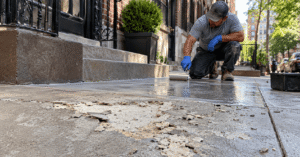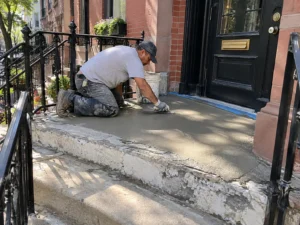
What makes New York City sidewalks so vulnerable to damage? From heavy foot traffic to extreme weather, sidewalks face constant wear and tear throughout the year. Cracks, uneven surfaces, and tree root damage are common problems that not only affect safety but also put property owners at risk of DOT violations.
By understanding the common types of sidewalk damage in NYC and their causes, you can take the right steps to maintain compliance and ensure safer pathways for everyone.
Common Types of Sidewalk Damage in NYC
Cracks and Fractures
Cracks are one of the most common types of sidewalk damage in NYC. They usually develop when concrete expands and contracts due to temperature changes, especially during freeze-thaw cycles in winter. Tree roots pushing against the slabs and natural aging of concrete can also lead to fractures over time.
Even small cracks should not be ignored because water can seep in, making the damage worse and creating potential tripping hazards. Timely repairs help prevent minor cracks from turning into major problems.
Uneven or Sunken Sidewalk Slabs
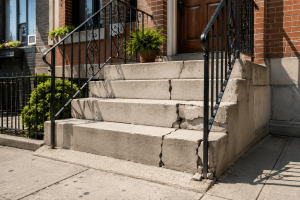
Uneven or sunken slabs are another frequent issue with NYC sidewalks. This damage often occurs when the soil beneath the concrete shifts or erodes, leaving parts of the sidewalk unsupported. Poor installation practices and underground utility work can also contribute to slabs sinking or tilting.
These uneven surfaces create serious tripping hazards and often result in DOT violations for property owners. Addressing the problem early through professional repair helps restore safety and compliance while preventing further damage.
Tree Root Damage
Tree root damage is one of the leading causes of sidewalk lifting and cracking in New York City. As tree roots grow and expand, they push against the concrete, causing slabs to rise unevenly or break apart. This not only creates unsafe walking conditions but also leads to recurring repairs if the roots are not properly managed.
Property owners often face challenges balancing tree preservation with sidewalk safety. In many cases, installing root barriers or seeking professional sidewalk repair NYC solutions can help control the problem while keeping both the trees and sidewalks in good condition.
Also Read: How Long Does Concrete Take to Dry?
Spalling and Surface Erosion
Spalling and surface erosion are common issues that weaken sidewalks over time. In NYC, this often happens when concrete is exposed to harsh winter conditions and de-icing salts, which gradually wear away the surface. Low-quality materials or improper finishing during installation can also speed up the erosion process.
Spalling not only makes sidewalks look worn and unattractive but also reduces their durability, leading to further cracks and breakage. Repairing or resurfacing affected areas quickly can extend the lifespan of the sidewalk and maintain a safe walking surface.
Water Damage and Poor Drainage
Water damage is another major factor that leads to sidewalk deterioration in New York City. When sidewalks are not properly sloped or when drainage systems are blocked, rainwater and melting snow can accumulate on the surface. Over time, standing water seeps into the concrete, weakening its structure and causing cracks or surface erosion.
In colder months, the freeze-thaw cycle makes the problem worse as water expands when it freezes, leading to further damage. Proper grading, regular maintenance, and timely repairs are essential to prevent long-term issues caused by poor drainage.
Improper Construction or Low-Quality Materials
Improper construction practices and the use of low-quality materials often lead to premature sidewalk damage in NYC. When concrete is not mixed correctly, poured unevenly, or finished without following DOT standards, it becomes more vulnerable to cracking and erosion.
Similarly, using substandard materials reduces the strength and durability of the surface. These shortcuts may save money initially but result in costly repairs later. To avoid such issues, it is important to hire an experienced concrete contractor New York who can ensure proper installation and long-lasting results.
DOT Violations and Legal Responsibilities
Property owners in NYC are legally responsible for maintaining the sidewalks in front of their buildings. Failure to repair damaged sidewalks can result in fines and penalties from the Department of Transportation. Common violations include cracks, uneven slabs, and other hazards that pose risks to pedestrians.
Beyond legal compliance, timely repairs help prevent accidents and potential liability claims. Working with licensed professionals ensures that repairs meet DOT standards and that sidewalks remain safe and accessible for everyone.
Preventive Maintenance Tips
Regular maintenance is essential to keep sidewalks in NYC safe and durable. Property owners should inspect their sidewalks frequently for cracks, uneven slabs, or signs of erosion. Addressing minor damage early can prevent larger, more costly repairs.
Hiring licensed professionals like NY Concrete ensures that all repairs are DOT-compliant and long-lasting. Additionally, implementing measures such as proper drainage, root barriers, and using high-quality materials can significantly extend the lifespan of sidewalks and reduce the risk of accidents.
Also Read: How Does a Damaged Sidewalk Decrease Your Property Value?
Conclusion
Sidewalk damage in NYC can take many forms, from cracks and uneven slabs to tree root issues and surface erosion. Understanding the common causes helps property owners take timely action to maintain safety and compliance with DOT regulations.
Regular inspections, preventive maintenance, and professional repairs are key to keeping sidewalks durable and safe for pedestrians. Contacting experienced professionals for sidewalk repair services in NYC ensures long-lasting results and peace of mind.