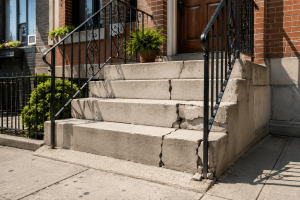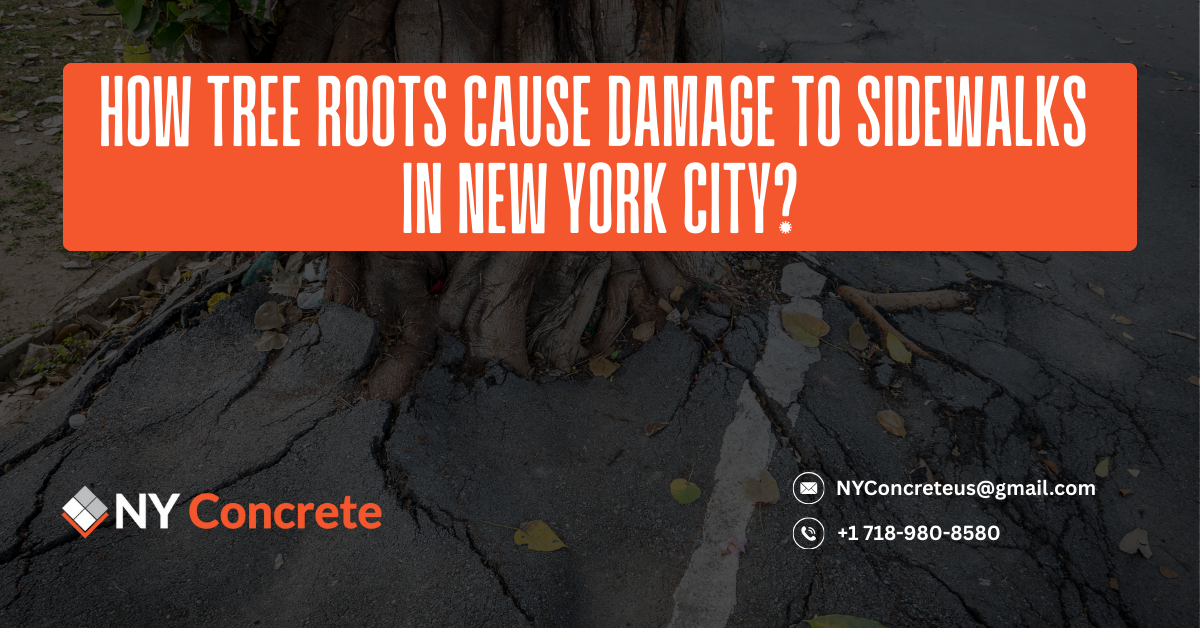
Have you ever noticed cracks, uneven surfaces, or lifted slabs while walking on sidewalks in New York City? These common issues are often caused by something hidden beneath the surface: tree roots. As trees grow, their roots expand in search of water and nutrients, putting pressure on the concrete above. Over time, this can lead to cracks, trip hazards, and costly repairs for property owners.
In this guide, we will explore how tree roots cause damage to sidewalks, the signs to watch for, and the solutions available to prevent and repair these issues. Understanding this process is essential for maintaining safety, preserving property value, and ensuring that city walkways remain accessible for everyone.
Why Tree Roots Affect Sidewalks?
Tree roots naturally grow outward and downward in search of water, nutrients, and space. In urban areas like New York City, sidewalks create a hard barrier above the soil, forcing roots to expand in limited directions. As they grow, the pressure from these roots can lift, crack, or unevenly shift concrete slabs.
Older sidewalks are especially vulnerable because the concrete may have weakened over time, making it easier for roots to cause damage. Additionally, certain tree species have more aggressive root systems that are prone to spreading near sidewalks. Understanding how tree roots interact with the surrounding soil and concrete is key to preventing serious sidewalk issues and ensuring timely repair.
Also Read: How Does a Damaged Sidewalk Decrease Your Property Value?
Common Signs of Sidewalk Damage Caused by Tree Roots
Identifying sidewalk damage early can prevent accidents and reduce repair costs. Some common signs include:
- Lifted or Uneven Concrete Slabs: One of the most noticeable signs, caused by roots growing underneath and pushing the sidewalk upward.
- Cracks and Gaps: Small cracks may appear initially, but can expand over time as roots continue to grow.
- Trip Hazards: Uneven surfaces create safety risks for pedestrians, especially the elderly and children.
- Water Pooling: Raised or tilted slabs can cause water to collect, which may further weaken the concrete.
Recognizing these warning signs early allows property owners to take prompt action and consult professional sidewalk repair services in NYC to restore safety and functionality.
Risks of Ignoring Tree Root Damage
Neglecting tree root damage can lead to several serious consequences. Uneven or cracked sidewalks pose a significant safety hazard, increasing the risk of trips and falls for pedestrians. Property owners may also face liability issues if someone gets injured on their sidewalk.
Over time, the damage can worsen, making repairs more complicated and expensive. In addition, damaged sidewalks can negatively affect the appearance of a property or neighborhood, reducing curb appeal and potentially impacting property value. Addressing tree root damage early is essential to maintain safety, aesthetics, and long-term cost savings.
Solutions to Tree Root Sidewalk Damage
There are several effective solutions to address sidewalk damage caused by tree roots.
Root Barriers and Preventative Measures
Installing root barriers can redirect tree roots away from sidewalks, preventing future lifting and cracking. These barriers create a protective zone between the roots and the concrete, reducing the risk of damage over time.
Sidewalk Repair and Replacement
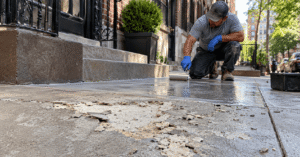
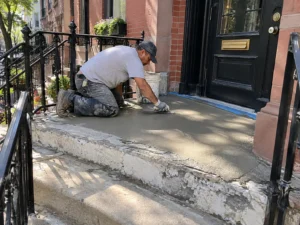
Depending on the severity of the damage, sidewalks may require grinding to level uneven slabs, partial replacement of affected sections, or full slab replacement. Timely repair ensures pedestrian safety and prevents further deterioration.
Hiring a Concrete Contractor in New York
Professional concrete contractors have the expertise to assess the extent of damage, recommend the best repair solution, and ensure the work is done efficiently and safely. Working with an experienced contractor can save time, reduce costs, and extend the life of your sidewalks.
Professional sidewalk repair NYC services can help restore safety and maintain the appearance of your property while addressing tree root issues effectively.
Also Read: How Long Does Concrete Take to Dry?
Cost Considerations for Sidewalk Repairs in NYC
The cost of sidewalk repairs in New York City can vary depending on the extent of the damage and the type of repair needed. Minor repairs, such as grinding uneven slabs or filling small cracks, are generally more affordable. More extensive damage, like replacing large sections of concrete, will naturally cost more.
Several factors influence the overall cost, including the length and width of the sidewalk, the size and aggressiveness of the tree roots, and the type of concrete used. Consulting professional sidewalk repair services can provide an accurate estimate and help property owners plan for both immediate repairs and long-term maintenance.
Investing in timely repairs not only ensures safety but also prevents higher costs that can result from neglecting root-related sidewalk damage.
Preventive Tips for Property Owners
Property owners can take several steps to minimize the risk of tree root damage to sidewalks.
Regular sidewalk inspections help identify early signs of lifting, cracking, or uneven surfaces before they become serious hazards. Planting tree species with less aggressive root systems near sidewalks can reduce the likelihood of future damage.
When installing new sidewalks, consider using root barriers or consulting with a professional to ensure proper spacing between trees and concrete. Routine maintenance and preventive measures not only protect your sidewalks but also save money on costly repairs in the long run.
Conclusion
Tree roots can cause significant damage to sidewalks in New York City, creating safety hazards, costly repairs, and liability risks for property owners. By understanding how roots affect concrete, recognizing early warning signs, and taking preventive measures, these issues can be managed effectively.
Timely action, including consulting professional sidewalk repair services in NYC or hiring a skilled concrete contractor in New York, ensures that sidewalks remain safe, functional, and visually appealing. Addressing tree root damage promptly protects both pedestrians and property, preserving the value and integrity of your property for years to come.