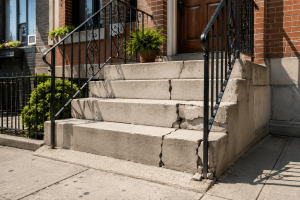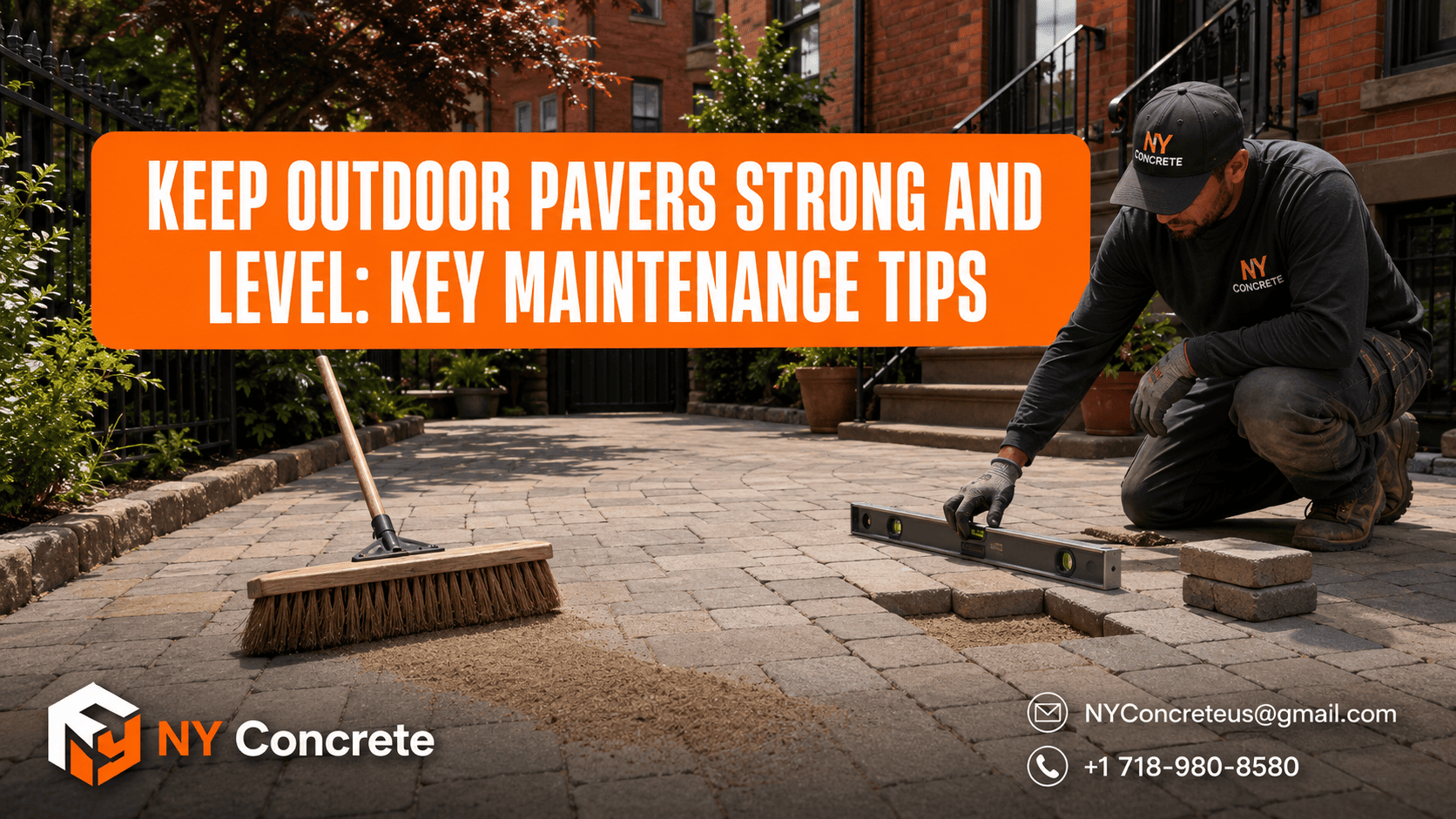
Keep outdoor pavers strong by watching for early signs of shifting, sinking, loose joints, and poor drainage. Outdoor pavers are built to handle years of foot traffic, weather exposure, and everyday use. But even a well-installed paver surface can begin to shift, sink, or lose its clean appearance over time.
Because these changes often happen gradually, many property owners do not notice the problem until the pavers are visibly uneven or the surface starts feeling unstable. The good news is that most paver problems can be prevented, or at least slowed down, with the right maintenance and early attention.
Keeping outdoor pavers strong and level is not just about appearance. It is also about protecting the base underneath, preventing movement, and extending the life of the entire surface.
Quick Answer
To keep outdoor pavers strong and level, focus on proper drainage, regular joint sand maintenance, routine cleaning, and addressing small signs of movement early. Most paver problems begin when water weakens the base, joints lose stability, or small low spots are ignored until they spread.
Keep Water From Becoming the Main Problem
Water is one of the biggest reasons outdoor pavers lose their level surface.
When rainwater cannot drain properly, it can seep through the joints and begin affecting the base underneath. Over time, this can wash away fine material, create voids, and weaken the support beneath the pavers. Once that happens, sections may begin to sink, shift, or feel loose underfoot.
To reduce the risk:
Make sure water drains away from the paver area rather than collecting on top of it
Pay attention to puddles that remain long after rain
Keep nearby drains or runoff areas clear so water does not back up onto the pavers
Watch for low spots where water repeatedly gathers
If the same area keeps holding water, it often means the surface or base is starting to settle.
Clean the Surface Without Damaging the Installation
Routine cleaning helps keep pavers looking good, but it also protects the surface from buildup that can affect the joints and drainage.
Leaves, dirt, moss, and debris can trap moisture on the pavers and encourage weeds to grow between them. Stains and grime may not damage the structure immediately, but they can hide problem areas and make maintenance easier to overlook.
Regular sweeping and careful washing help remove buildup before it creates bigger issues. The important thing is to clean in a way that does not strip out too much joint sand or disturb the pavers themselves.
Aggressive cleaning can sometimes do more harm than good if it loosens the joints.
Watch for Small Signs of Movement Early
Paver problems are much easier to manage when they are still small.
A single low paver, a slight dip near the edge, or one section where the pattern no longer looks perfectly even may not seem urgent. But those subtle changes are often the first signs that the base is weakening or the pavers are beginning to shift.
Pay attention if you notice:
A paver sitting lower than the surrounding surface
A section that rocks when walked on
Gaps widening between pavers
Edges starting to spread apart
Water collecting in a spot that used to drain properly
Fixing a small section early is usually much easier than waiting until the unevenness spreads across a larger area.
Protect the Edges of the Paver Area
Paver edges matter more than many property owners realize.
Edge restraints help keep the entire surface locked in place. If the edges begin to fail, the pavers can slowly spread outward, especially under regular traffic or weather-related movement.
Once edge support weakens, the surface often becomes less stable across the whole installation.
This is why it is important to watch for signs like:
Pavers along the edge shifting outward
Border pavers separating from the main field
Corners becoming loose or uneven
Visible movement near driveways, walkways, or patio edges
A strong edge helps the rest of the paver system stay aligned and level.
Be Careful With Heavy Loads and Repeated Pressure
Outdoor pavers are durable, but repeated heavy loads can still affect areas with weak support.
Driveways, parking areas, and heavily used walkways are especially vulnerable if the base underneath has started to soften or settle. Even patio pavers can shift if heavy planters, grills, or equipment stay in one unstable spot for too long.
If one area is used more heavily than the rest, keep an eye on it for early signs of movement. Uneven pressure often exposes weak points before the rest of the surface shows obvious damage.
Why Seasonal Weather Matters So Much in NYC
In New York City, pavers go through constant seasonal stress.
Rain, snow, freeze-thaw cycles, summer heat, and repeated moisture exposure all affect how the surface performs over time. Once water gets into the joints or below the pavers, winter weather can make small weaknesses much worse.
A surface that looks fine in late summer may begin shifting after a wet fall and a freezing winter. That is why paver maintenance is not just about how things look today. It is about preventing seasonal conditions from turning a minor issue into a major repair.
Common Mistakes Property Owners Make
One common mistake is assuming pavers are maintenance-free because they are durable.
Another is ignoring small low spots or loose pavers because the surface still looks mostly fine. In reality, those small changes are often early warnings that the base or joints need attention.
Property owners also sometimes focus only on cleaning the pavers while overlooking the condition of the joints, drainage, and edges. Appearance matters, but stability depends on the entire system staying intact.
When to Take Action
If you notice sinking pavers, widening gaps, loose sections, recurring weed growth, or water pooling on the surface, it is worth addressing the issue before it spreads.
Outdoor pavers are often easiest to correct when the movement is still limited to one section.
Waiting until the entire area becomes uneven usually means more labor, more disruption, and a larger repair.
If your outdoor pavers are starting to sink, shift, or lose their level surface, NY Concrete can inspect the area and identify what is causing the movement. Early repairs and proper maintenance can help keep your pavers strong, stable, and looking their best for years to come.