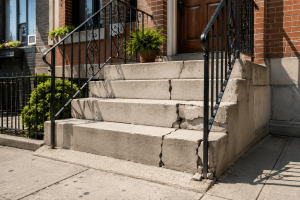
Paver repair in NYC is often needed when driveways, patios, walkways, or commercial entryways start sinking, shifting, staining, or growing weeds between the joints. Paver surfaces are popular across New York City because they are durable, flexible, and visually appealing. But despite their strength, pavers are not immune to damage.
Over time, NYC’s harsh weather, heavy foot traffic, vehicle loads, and underground movement can cause a variety of issues. What often starts as a small imperfection, like a slightly uneven paver or a thin gap, can gradually develop into a more noticeable and costly problem.
Quick Answer
Paver problems in NYC typically include sinking, shifting, weed growth, joint sand loss, and surface staining. Most of these issues can be repaired through leveling, re-sanding, cleaning, or replacing individual pavers. Full replacement is only necessary when damage is widespread or the base layer has failed.
Common Paver Problems in NYC
1. Uneven or Sunken Pavers
One of the most frequent issues is pavers sinking or becoming uneven. This happens when the base material underneath shifts or compacts unevenly.
At first, the change may be subtle. You might notice a slight dip where water collects or a section that feels lower when walked on. Over time, the unevenness becomes more visible and can even create trip hazards.
2. Paver Shifting or Movement
Pavers can shift sideways if the edge restraints fail or if the base layer loses stability. This often leads to gaps forming between pavers or a wavy surface pattern.
Once movement starts, it usually continues unless the area is properly reset and stabilized.
3. Weed Growth Between Pavers
Weeds are a common complaint in NYC paver installations. They grow when joint sand washes out or when debris collects between gaps.
Even small gaps can allow seeds to settle and grow roots, gradually widening the space between pavers.
4. Joint Sand Loss
Polymeric sand or joint sand helps lock pavers in place. Over time, rain, pressure washing, and foot traffic can remove this sand.
When joints lose their fill, pavers become less stable and more likely to shift or sink.
5. Surface Staining and Discoloration
Oil stains, rust marks, leaf buildup, and pollution can all affect the appearance of pavers. In a city environment, staining is especially common due to constant exposure to vehicles and environmental debris.
While mostly cosmetic, staining can make an otherwise solid surface look neglected.
6. Cracked or Chipped Pavers
Although pavers are designed to be durable, individual units can still crack or chip due to heavy impact, freezing temperatures, or manufacturing defects.
The advantage is that damaged pavers can usually be replaced individually without affecting the rest of the surface.
How Paver Repairs Actually Work
Paver repair is not just about fixing what you see on the surface. In most cases, the real issue lies underneath.
A proper repair process typically involves:
Removing affected pavers carefully
Re-leveling or repairing the base material
Adding or replacing bedding sand
Resetting the pavers in correct alignment
Re-sanding joints for stability
This approach ensures that the repaired area blends seamlessly with the surrounding surface and remains stable over time.
Fixing Sunken or Uneven Pavers
When pavers sink, simply lifting them back into place is not enough.
The base underneath must be corrected first. This may involve adding fresh base material, compacting it properly, and ensuring proper slope for drainage.
Once the foundation is restored, the pavers can be reset so they align evenly with the surrounding surface.
Solving Weed and Joint Issues
Weed growth and loose joints are usually solved by removing old joint material and replacing it with fresh polymeric sand.
This helps lock the pavers in place and reduces space for weeds to grow. In some cases, sealing the surface can further reduce maintenance needs and improve durability.
Addressing Shifting or Loose Pavers
When pavers begin to shift, edge restraints are often inspected first. If they are damaged or missing, they need to be repaired or replaced.
After stabilizing the edges, the affected area is lifted and reset to restore proper alignment and prevent further movement.
When Cleaning Is Enough
Not all paver problems require structural repair.
If the issue is mainly discoloration, surface dirt, or light staining, professional cleaning can restore the original appearance. In some cases, sealing after cleaning helps protect the surface from future stains.
However, cleaning alone will not fix sinking, shifting, or structural issues.
Why Early Repair Matters in NYC
In a city like New York, small paver issues rarely stay small for long. The most common reason homeowners need paver repair in NYC is movement under the surface, especially when the base layer shifts or joint sand washes out.
Constant traffic, weather changes, and underground movement can quickly turn a minor problem into a larger one. A slightly uneven surface today can become a trip hazard or drainage issue within months.
Early repair not only prevents further damage but also reduces long-term costs and disruption.
Common Mistakes Property Owners Make
One of the biggest mistakes is ignoring early signs of movement or sinking.
Another is focusing only on surface fixes without addressing the base underneath. While this may improve appearance temporarily, the problem often returns.
Some property owners also delay repairs until the damage becomes widespread, which limits repair options and increases overall expense.
When to Call a Professional
If you notice uneven surfaces, widening gaps, recurring weed growth, or shifting pavers, it is worth having the area inspected.
A professional assessment can determine whether the issue is surface-level or if the base structure needs attention. This helps prevent unnecessary costs and ensures the right repair approach is used.
If your pavers are sinking, shifting, or showing signs of wear, NY Concrete can assess the damage and provide a targeted repair solution. Addressing problems early helps restore stability, improve appearance, and extend the life of your paver surface without unnecessary replacement. NY Concrete provides paver repair in NYC for sinking, shifting, loose, stained, and uneven paver surfaces before the damage spreads.