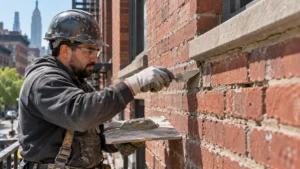
Have you ever walked down a New York City sidewalk and noticed cracks, uneven surfaces, or chunks of concrete missing after a harsh winter? The city’s weather, with its freezing winters, hot summers, and heavy rainfall, plays a major role in the wear and tear of sidewalks. These conditions can lead to cracked, uneven, or damaged surfaces, creating safety hazards for pedestrians and property owners alike. Understanding how weather impacts sidewalks is crucial for maintaining safe and durable walkways throughout the city. Regular inspections and timely repairs can prevent minor issues from turning into costly problems.
In this guide, we will explore how New York City’s weather affects sidewalks, the most common types of damage, preventive maintenance strategies, and when to seek professional help to keep sidewalks safe and durable.
How NYC Weather Affects Sidewalks?
New York City experiences a wide range of weather conditions throughout the year, and each season impacts sidewalks differently.
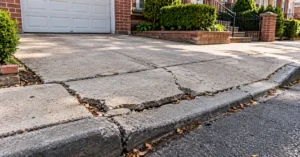
Harsh winters bring freezing temperatures that cause the water in cracks and pores of concrete to expand and contract. This freeze-thaw cycle often leads to cracks, chipped edges, and uneven surfaces.
During the summer, intense heat can cause concrete to expand and sometimes warp or buckle, creating trip hazards. Prolonged exposure to sunlight can also weaken the surface over time.
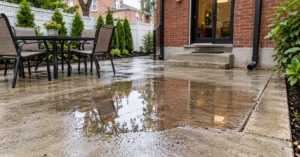
Rain and snow contribute to water infiltration, which accelerates erosion and can make sidewalks slippery and unsafe. Poor drainage can worsen these effects, causing standing water that seeps into the concrete and underlying soil.
Understanding these seasonal impacts helps property owners anticipate issues and take timely action to maintain safe and durable sidewalks.
Also Read: How Long Does Concrete Take to Dry?
Common Sidewalk Damages in NYC
The extreme weather conditions in New York City often result in several types of sidewalk damage that can pose safety risks for pedestrians.
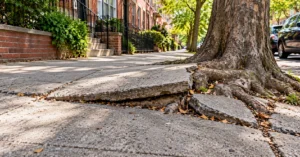
Cracks and fissures are the most frequent issues, caused by freeze-thaw cycles, heavy foot traffic, and shifting soil. Uneven slabs and tripping hazards often occur when concrete sections heave or sink due to temperature changes or tree roots growing underneath.
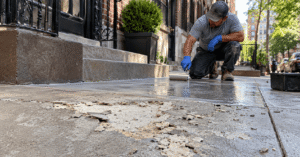
Spalling, where the concrete surface flakes or peels, is another common problem, usually caused by water penetration and repeated freezing. Surface deterioration can also result from deicing chemicals, heavy rainfall, and general wear over time.
Roots from nearby trees may push up sections of the sidewalk, creating significant hazards and making walkways difficult to navigate. Recognizing these common damages early can help property owners address problems before they worsen.
Preventive Measures and Maintenance Tips
Regular maintenance is key to prolonging the life of sidewalks and minimizing costly repairs. Property owners should conduct frequent inspections to identify minor cracks, uneven areas, or signs of surface deterioration early.
Proper drainage systems can prevent water from pooling on sidewalks, reducing the risk of erosion and freeze-thaw damage. Seasonal maintenance, such as clearing snow promptly and applying protective sealants, helps protect concrete from harsh weather conditions.
For more significant or persistent issues, it is wise to hire professional services. Using sidewalk repair services NYC can ensure that repairs are done correctly and safely, maintaining both the appearance and durability of sidewalks throughout the city.
When to Call Professionals
While minor cracks and surface wear can sometimes be managed with DIY solutions, certain sidewalk issues require professional attention to ensure safety and compliance with city regulations.
Serious cracks, uneven slabs, or large spalling areas can pose tripping hazards and increase the risk of accidents. Property owners are legally responsible for maintaining safe sidewalks, making timely professional intervention essential.
Hiring an experienced concrete contractor New York ensures that repairs are performed to high standards, using durable materials and proper techniques. Professionals can also assess underlying issues, such as soil movement or drainage problems, to prevent recurring damage and protect your investment in the long term.
Also Read: How Does a Damaged Sidewalk Decrease Your Property Value?
Choosing the Right Sidewalk Repair in NYC
Selecting the right professional for sidewalk repair is essential to ensure quality, safety, and long-lasting results. Start by evaluating the experience and reputation of repair companies, checking reviews and past projects to confirm their expertise.
Licensing and insurance are important factors to verify, as they protect both the property owner and the workers during repairs. Consider the cost of the service in relation to the durability and quality of the repair materials used, rather than simply opting for the cheapest option.
For reliable and efficient repairs, property owners can explore sidewalk repair NYC services, which specialize in addressing common sidewalk issues while complying with city regulations and safety standards.
Conclusion
New York City’s weather presents unique challenges for maintaining sidewalks, from freezing winters and hot summers to heavy rain and snow. These conditions can cause cracks, uneven surfaces, spalling, and other damages that compromise safety and durability.
Regular inspections, preventive maintenance, and timely repairs are essential to keeping sidewalks safe for pedestrians and compliant with city regulations. By understanding the impact of weather and working with professional services when necessary, property owners can protect their sidewalks and extend their lifespan, ensuring a safer and more walkable city for everyone.