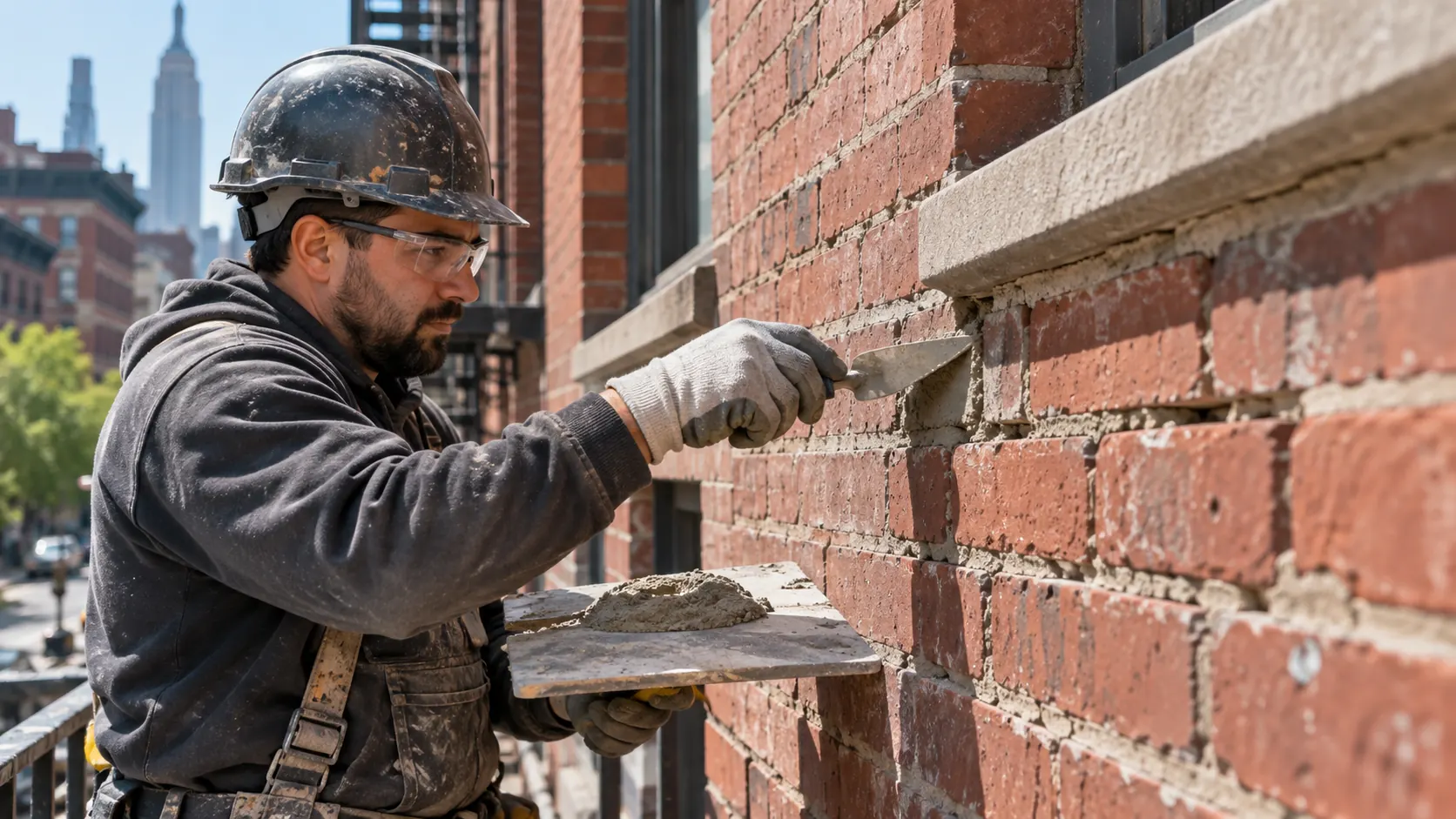
A brick wall can look strong even when the mortar between the bricks starts to fail. Many property owners notice cracked bricks first. They often miss the loose, sandy, or crumbling mortar between the joints.
That is why loose mortar is easy to overlook.
As mortar weakens, small openings begin to form. These gaps allow water to enter the wall. At first, the damage may not look serious. Over time, the joints begin to crumble, bricks may loosen, and moisture can spread deeper into the masonry.
Repairing loose mortar early is one of the best ways to protect a brick wall. It can help prevent larger brick repairs, water damage, and more expensive masonry restoration later.
Quick Answer
Loose or crumbling mortar should be repaired before water damages the surrounding brickwork. Brick pointing, also called repointing, removes failing mortar and replaces it with fresh mortar. This helps strengthen the wall, reduce moisture entry, and slow further masonry damage.
Why Mortar Matters More Than Most People Realize
When people look at a brick wall, they usually notice the bricks first.
But mortar does just as much work.
Mortar holds the bricks together. It helps support the wall and seals the spaces between each brick. Strong mortar also helps protect the wall from rain, snow, and moisture.
When mortar starts to fail, the wall loses part of its protection. Water can enter the joints. Bricks can become loose. The wall can also become more vulnerable to weather and movement.
That is why loose mortar is not just a cosmetic issue. It is often an early warning sign that the wall needs professional attention.
Early Signs of Loose Mortar
Mortar does not usually fail all at once. The damage often develops slowly.
You may notice small pieces of mortar near the base of the wall. Some joints may look deeper than others. Other areas may appear rough, sandy, cracked, or uneven.
As the problem gets worse, gaps may become easier to see. In some cases, individual bricks may start to move slightly when pressure is applied.
These signs should not be ignored. By the time mortar starts falling out, water may already be entering the wall.
Water Is the Biggest Threat to Failing Mortar
Loose mortar creates a path for moisture.
Rainwater can enter open joints and reach areas that should stay protected. Over time, that moisture weakens both the mortar and the surrounding brickwork.
Cold weather can make the problem worse. When trapped water freezes, it expands inside the joints. This creates pressure against the brick and mortar.
After repeated freeze-thaw cycles, more mortar can break away. Bricks may also crack, flake, or loosen.
The longer water enters the wall, the more difficult the repair can become.
What Property Owners Often Miss
Many property owners focus only on damaged bricks because they are easy to see.
A masonry contractor looks at the whole wall.
They check the mortar joints, nearby bricks, moisture stains, gaps, cracks, and areas where the wall may be starting to move. This full inspection helps identify the real cause of the damage.
If the mortar is failing across a larger section, replacing one or two bricks will not solve the problem. The joints also need repair.
Fixing loose mortar early can help prevent wider brick damage later.
Why Brick Pointing Is Important
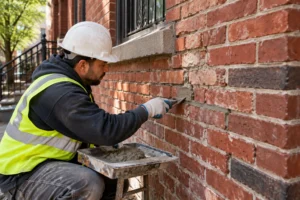
Brick pointing is the process of removing damaged mortar and replacing it with new mortar.
The goal is not only to improve the appearance of the wall. Fresh mortar helps restore strength to the joints. It also helps reduce water entry and keeps the bricks more secure.
Proper brick pointing can make an older wall look cleaner and more stable. It also helps protect the masonry from future damage.
When done correctly, the new mortar should match the existing wall as closely as possible. This keeps the repair strong and visually consistent.
Loose Mortar Repair vs Full Masonry Repair
Loose mortar does not always mean the wall needs major reconstruction.
If the bricks remain stable and the damage is limited to the joints, repointing may be enough. A contractor can remove the failing mortar and replace it with fresh mortar.
More extensive masonry repair may be needed if bricks have already loosened, cracked, shifted, or separated from the wall. Larger repairs may also be needed if water has damaged a wide area.
The right solution depends on the condition of the entire wall, not just one missing joint.
A professional inspection helps determine whether your wall needs brick pointing, brick repair, or more complete masonry restoration.
Common Mistakes to Avoid
One common mistake is waiting until bricks start falling loose. By that point, moisture may have been damaging the wall for a long time.
Another mistake is patching only the most obvious gaps. Mortar often weakens across a section, not just in one small spot. If nearby joints are also failing, they should be repaired too.
Some property owners also use the wrong repair material. Mortar should be suitable for the existing brickwork. The wrong material can create new problems over time.
Proper loose mortar repair should address both the visible gaps and the cause of the deterioration.
Why Mortar Deteriorates Faster in NYC
Brick buildings in NYC deal with tough conditions year after year.
Rain, snow, freezing weather, air pollution, and repeated temperature changes all affect masonry. Older buildings may also have mortar that has already been exposed for decades.
Over time, these conditions wear down mortar joints. Once the joints weaken, water can enter the wall more easily.
Regular inspections and timely brick pointing help keep masonry walls stronger. They also reduce the chance of larger repairs in the future.
When to Schedule an Inspection
Schedule an inspection if you notice crumbling mortar, loose bricks, widening joints, water stains, or gaps between bricks.
You should also call a masonry contractor if the wall looks uneven, rough, or weaker in certain areas.
Early inspection can often keep the repair smaller. It can also help prevent moisture from spreading deeper into the wall.
Need Loose Mortar Repair in NYC?
If your brick wall has loose mortar, crumbling joints, or signs of water damage, NY Concrete can help.
Our team inspects the masonry, checks the condition of the mortar joints, and recommends the right repair. We handle brick pointing, loose mortar repair, brick repair, and masonry restoration for NYC properties.
Call NY Concrete today to schedule a free estimate and protect your brick wall before the damage spreads.