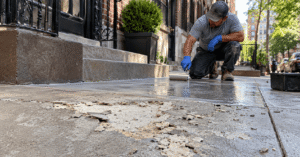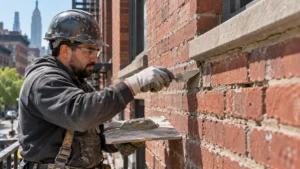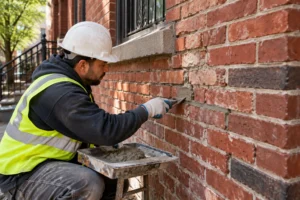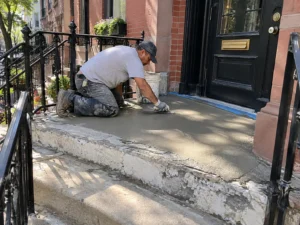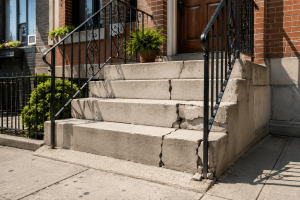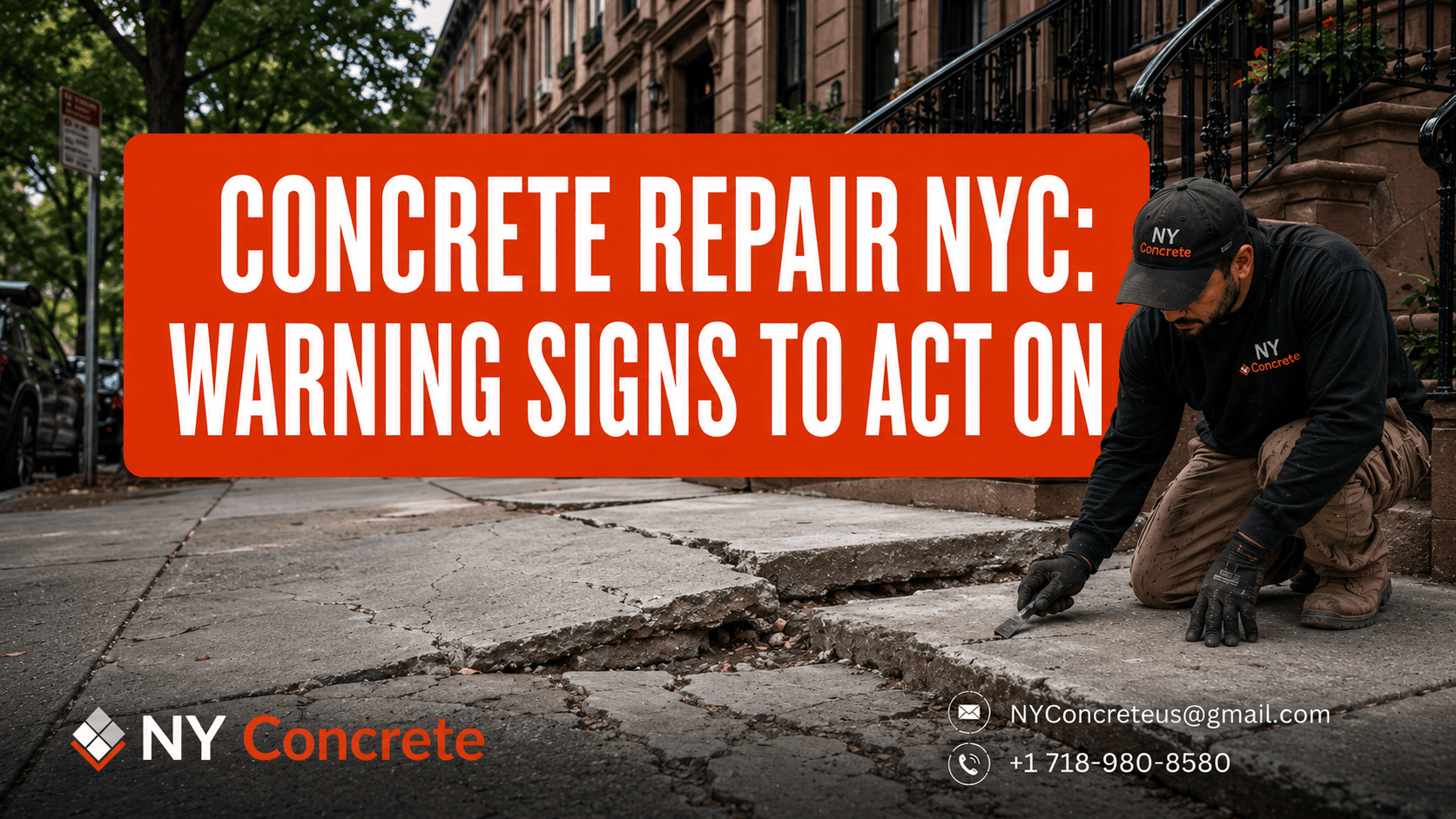
Concrete repair NYC is important when your driveway, sidewalk, patio, steps, or walkway starts showing cracks, sinking, surface damage, or drainage problems. Concrete lasts a long time, but it does not last forever. Most surfaces show warning signs before serious damage develops.
A crack here, a rough patch there, or a little water after rain can seem like normal wear. However, these changes often mean the concrete is starting to fail beneath the surface.
Knowing when to act can make the difference between a simple repair and a much larger project later.
Quick Answer
You should schedule a concrete inspection when you notice widening cracks, uneven slabs, sinking sections, crumbling surfaces, standing water, or repeat damage in the same area. These warning signs often point to movement, moisture problems, or structural deterioration. Fixing them early helps prevent the damage from spreading.
Cracks That Keep Getting Worse
Not every crack means your concrete is failing.
Small surface cracks can appear naturally as concrete ages. What matters is whether they stay the same or keep changing.
If a crack gets wider, spreads farther, or creates nearby cracks, something may be happening underneath. The base may have shifted, or water may already be weakening the support below.
Many property owners fill the crack and assume they solved the problem. However, if the concrete keeps moving, the crack usually returns.
The crack often acts as the symptom, not the actual problem.
Uneven or Sinking Concrete
One clear warning sign is concrete that no longer sits level.
You may notice a lifted sidewalk flag, a settled driveway section, or a patio corner that feels lower than before.
These changes usually happen slowly, so many property owners overlook them.
Concrete can shift for several reasons. The supporting soil may settle. Water may wash away material under the slab. Tree roots may also push sections upward.
Whatever the cause, movement often continues until someone fixes it.
Ignoring uneven concrete can lead to larger cracks and higher safety risks.
Water That Stays Where It Shouldn’t
After rain, take a few minutes to check your concrete surfaces.
If water always collects in the same place, something has likely changed.
Concrete should move water away instead of letting it sit on the surface. Persistent puddles often point to settlement or poor drainage. Both problems can weaken the material under the concrete.
During winter, standing water creates even more risk. It freezes, expands, and adds pressure to weak areas.
A puddle may seem harmless. However, it often points to a bigger problem below the surface.
Surface Damage That Keeps Spreading
Concrete rarely starts crumbling all at once. Concrete repair NYC becomes more urgent when cracks keep spreading because the damage may point to movement or moisture problems under the surface.
More often, small patches begin flaking, chipping, or turning rough. At first, the damage may affect only one small area. Then it spreads as moisture keeps entering the concrete.
This type of deterioration is common in NYC. Repeated freeze-thaw cycles put constant stress on outdoor concrete.
Once the surface breaks down, the concrete underneath becomes more exposed. After that, damage can spread faster.
Repairs That Never Seem to Last
If you repaired the same crack more than once, the concrete may have a deeper issue.
Repeat damage often means the first repair fixed the visible problem only. It did not correct the cause.
For example, settlement or drainage problems can keep the concrete moving. Even a clean repair may crack again if that movement continues.
When damage keeps returning in the same spot, you need more than another quick patch. You need to find the cause.
What Property Owners Often Miss
Most people judge concrete by how it looks.
Experienced contractors also look at how the concrete behaves.
A driveway with one visible crack may have major movement underneath. A sidewalk with little cracking may still create a trip hazard if one slab starts lifting.
A patio may also feel solid but collect water after every rain. That can point to settlement that is not easy to see.
Looking at the full concrete surface gives a more accurate diagnosis than looking at one damaged spot.
Repair or Replacement: How Is the Decision Made?
Not every damaged concrete surface needs replacement.
If the damage stays isolated and the surrounding concrete remains stable, a targeted repair can often restore the surface.
Replacement usually makes more sense when large sections shift, the concrete breaks down badly, or the base becomes unstable.
The decision depends less on age and more on support. A concrete surface needs a solid foundation underneath.
Two properties may have similar cracks but need different repairs. The cause of the damage decides the best solution.
Common Mistakes to Avoid
One major mistake is assuming concrete damage is only cosmetic.
Another mistake is waiting until the surface becomes unsafe. Most concrete problems cost more after they spread.
Property owners also focus too much on the crack itself. They may ignore drainage problems, settlement, or repeat movement nearby.
Unless someone fixes those issues, the repair may not last long.
Addressing the cause almost always works better than repairing the symptom only.
Why Concrete Problems Develop Faster in NYC
Concrete in New York faces tough conditions all year.
Heavy foot traffic, vehicle weight, freeze-thaw cycles, aging infrastructure, limited drainage, and shifting soil all stress concrete surfaces. Concrete repair NYC is especially important because local weather, heavy use, drainage limits, and aging surfaces can make small concrete problems spread faster.
Because of these conditions, small defects can grow quickly. Another season of rain, snow, and temperature changes can make the damage worse.
That is why regular inspections and early repairs often make the smartest investment.
When to Take Action
If you notice widening cracks, sinking concrete, surface deterioration, repeat repairs, or water pooling in new areas, schedule an inspection.
Most concrete repairs cost less when you catch the underlying problem early. Early action also helps prevent damage from spreading to nearby sections. NY Concrete provides concrete repair NYC services for cracked, sinking, uneven, and deteriorating concrete surfaces before the damage spreads.
If your sidewalk, driveway, patio, steps, or other concrete surfaces show cracks, settlement, or surface deterioration, NY Concrete can inspect the area and find the cause. Whether you need a targeted repair or a larger restoration, the goal is to provide a long-lasting fix that stands up to everyday NYC conditions.