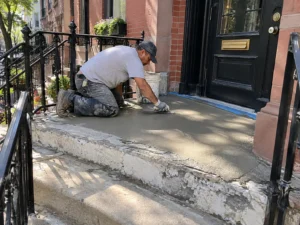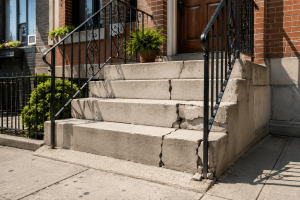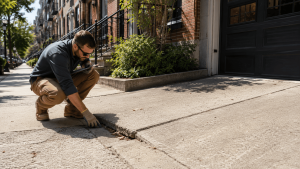
Concrete patio repair in NYC can prevent small cracks from turning into larger and more expensive problems. Your patio should be a place to relax, entertain guests, or enjoy a quiet evening outside. However, when cracks begin appearing, it is easy to assume they are only cosmetic and can wait until another season.
In many cases, that small crack is the first sign that the patio is beginning to change beneath the surface.
Water may already be getting below the slab. The base may be settling, or years of freeze-thaw cycles may be putting stress on the concrete. If you leave the damage alone, a thin crack can slowly spread across the patio. It may create uneven sections, loose edges, and repairs that become more expensive than necessary.
Repairing the damage early is often the easiest way to keep your patio safe, attractive, and structurally sound.
Quick Answer
You should inspect concrete patio cracks when they begin widening, spreading, collecting water, or appearing beside uneven or sinking concrete. Some hairline cracks are harmless. However, growing cracks often point to movement or moisture problems beneath the surface. Addressing those issues early can help prevent larger repairs.
Not Every Patio Crack Means the Same Thing
Finding a crack in your patio does not automatically mean the concrete has failed.
The right approach to concrete patio repair in NYC depends on the crack size, slab movement, drainage conditions, and stability of the base.
As concrete ages, small hairline cracks can develop naturally because of temperature changes and normal expansion and contraction. Many remain stable for years without causing major concerns.
The situation changes when the crack continues to grow.
If it becomes wider, stretches farther across the patio, or new cracks form nearby, there is usually more happening than normal ageing. The concrete may be settling. Moisture may be weakening the base, or repeated weather changes may be putting pressure on the slab.
The crack itself is often only the first visible warning sign.
Water Is Usually Doing More Damage Than You Can See
One of the biggest reasons patio cracks become worse is water.
Rain easily finds its way into small openings in the concrete. Once it reaches the material beneath the slab, it can slowly weaken the base that supports the patio.
During winter, the problem becomes even more serious.
The trapped moisture freezes, expands, and places extra pressure on the surrounding concrete. Each freeze-thaw cycle can make existing cracks a little larger. It can also create new cracks nearby.
By the time the damage becomes obvious, water has often affected the patio for quite some time.
Watch for Changes Around the Crack
A crack rarely appears by itself.
You may also notice that one corner of the patio feels lower than it used to. Water may collect after every rainfall, or small pieces of concrete may break away around the damaged area.
Sometimes outdoor furniture no longer sits level. You may also notice a slight rocking motion when placing a table or chair in a spot that once felt flat.
These small changes often suggest the patio is beginning to move beneath the surface.
Looking beyond the crack usually tells you much more about the condition of the patio.
What Property Owners Often Miss
Many homeowners focus on sealing the crack as quickly as possible.
While that may improve the appearance for a while, it does not explain why the crack developed.
An experienced contractor looks at the entire patio rather than only the damaged section. They check whether the slab has started settling. They also inspect drainage and look for nearby cracks that show continued movement.
The visible damage is often only one part of a larger issue.
Understanding the cause is what leads to a repair that actually lasts.
Repair or Replacement: How Is the Decision Made?
Not every cracked patio needs replacement.
If the concrete remains level, stable, and well-supported, repairing the damaged section is often enough. A focused repair can restore both appearance and function.
Contractors generally recommend replacement when the patio has widespread settlement or several unstable sections. They may also suggest it when the surface has serious deterioration or the base can no longer support the concrete.
The condition of the entire patio determines the decision, not the crack alone.
Two patios with similar-looking cracks may require completely different repairs. The right solution depends on what caused the damage.
Common Mistakes to Avoid
One of the most common mistakes is assuming patio cracks only affect appearance.
Even small openings allow water to enter the concrete. That moisture can gradually weaken the slab from below.
Another mistake is repairing the surface without correcting drainage or settlement problems. If the underlying movement continues, the crack often returns.
Many homeowners also postpone repairs because the patio is still usable. Unfortunately, concrete damage rarely stays the same. Waiting another season often leads to a larger repair than addressing the problem early.
Why Patio Cracks Get Worse in NYC
Concrete patios throughout NYC face constant weather changes, heavy rainfall, freezing temperatures, and repeated freeze-thaw cycles.
Water enters small cracks, freezes during winter, and expands inside the concrete. Over time, this cycle places more stress on the slab. It also causes small cracks to spread.
Landscaping, trees, and garden beds can also affect drainage and soil movement around many patios. Therefore, early repairs become even more important.
These local conditions mean small patio cracks can become much larger when homeowners ignore them.
When to Schedule an Inspection
If your patio has widening cracks, uneven sections, standing water, or signs of settlement, schedule a professional inspection.
Finding the cause early often keeps the repair focused on the affected area. It can also prevent the damage from spreading across the rest of the patio.
Scheduling concrete patio repair in NYC early may help keep the work focused on the damaged area before the problem spreads.
If your concrete patio has started cracking, settling, or showing other signs of deterioration, NY Concrete can inspect the surface. Our team can identify the cause and recommend the right repair for your property.
Whether the solution involves a targeted repair or a more extensive restoration, the goal remains the same: restore a patio that stays safe, durable, and ready for years of outdoor enjoyment in NYC.